Where the Last Tigers Still Breathe


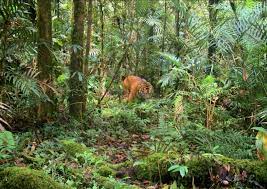
A Sumatran tiger moves through the last forests it has ever known.

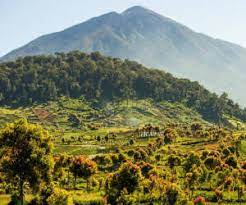
The jungle of Sumatra breathed before the sun rose.

Mist curled upward from peat swamps, winding around the buttressed roots of ancient trees. Water dripped patiently from leaf to leaf. And somewhere, deep within that green cathedral, a Sumatran tiger moved without sound.

This island was her last kingdom.

The jungles of Sumatra, ancient, breathing, and increasingly fragile.

From the dense lowland forests to the shadowed sub-mountain slopes and the high, mist-bound ridges, the land shaped her every step. She was born to solitude and secrecy.

A tigress gives little to the world, one cub, perhaps two, rarely more, and guards them with a ferocity older than memory itself. She hides them deep in tangled undergrowth, far from rival males, far from men, far from death. And yet death stalks her kind relentlessly. A single snare, a single gunshot, can erase generations. That is why their numbers fall so quickly. That is why every birth is counted like treasure.

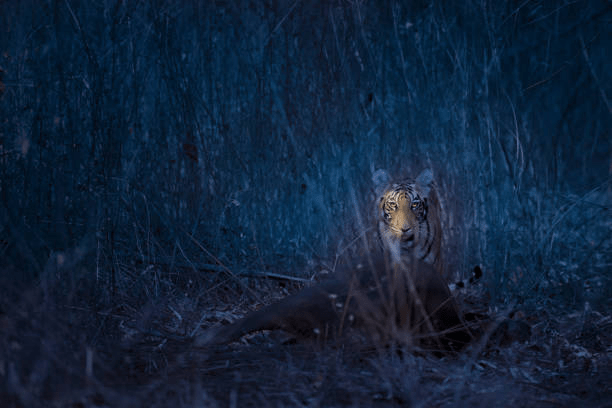
Since Corina’s return to the wild, the forest has kept her secrets. No ranger has seen cubs at her flank. No human eye has witnessed her nursing young beneath the leaves. But hope remains. It always does in the jungle. Only the unblinking eye of a camera trap may one day reveal a flicker of stripes in the night, proof that life continues where silence reigns.

Proof that hope still moves in the dark.

Caught by a silent camera

Elsewhere, far from Corina’s hidden den, hope took a different form.

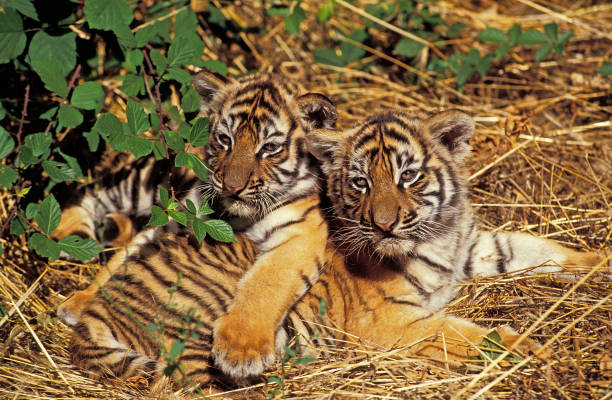
In Bukittinggi, beneath watchful human care, a tigress named Mantagi lay in shadow as the year turned. On December 28, 2024, she gave birth. A cub slid into the world, small, blind, and roaring with life. Months later, on May 3, 2025, another followed. Two cubs. Two fragile defiances against extinction.

Every cub born is a quiet rebellion against extinction.

They would later be named Lestari and Rizki, words heavy with promise, spoken aloud by Indonesia’s leaders as symbols of sustainability and blessing. Names chosen with care, as though language itself might strengthen fate.

Their father, Bujang Mandeh, bore scars that told a darker story. Once a hunter of the forest, he had been caught in a poacher’s snare. Steel teeth closed around his leg, and the injury was merciless. They had to amputate his leg to save his life. He survived, diminished, but alive, and through him the future breathed again.

With the birth of Lestari and Rizki, the Taman Marga Satwa Budaya Kinantan Wildlife Park became home to eleven Sumatran tigers, a stronghold against oblivion. Working alongside conservation authorities, the park stood as a reminder that humans could also be guardians, not only destroyers.

RANGER REMOVING SNARE

Beyond its fences, in the remote jungles where rain hammered leaves like drumbeats of war, signs of renewal began to emerge. Rangers cut snares from the earth. Camera traps captured fleeting images of striped ghosts moving through the dark. In a few fiercely protected places, the numbers whispered of recovery, slow, uncertain, but real.

Yet the greatest enemy of the tiger is not the jungle.

It is belief.

For thousands of years across Asia, the tiger has been revered as a creature of power, courage, and protection. Ancient records from the Han Dynasty speak of men who believed that by consuming the tiger, they could steal its strength. No science ever supported the myth, but myths are stubborn things. They outlive logic. They survive time. And they continue to feed a trade soaked in blood.

So the tiger lives caught between reverence and ruin, praised as a symbol, hunted as a commodity.

Still, the jungle endures.

Somewhere in the depths of Sumatra, Corina moves silently through fern and shadow. Somewhere else, two cubs grow stronger, their stripes darkening, their claws sharpening against the earth.

The story of the Sumatran tiger is not yet finished. It is written in scars and survival, in ancient forests and fragile hope.

And for now, against all odds, the last tigers of Sumatra still breathe beneath the trees.

Editor’s note:
The story above speaks to the unseen life of Sumatra’s last tigers. A companion essay explores the realities behind this world, conservation, cub births, and the beliefs that continue to shape their fate.

Written with respect for the forest and the lives it shelters.


Leave a comment

This site uses Akismet to reduce spam. Learn how your comment data is processed.

bogeyandruby

Random stuff, reflections on the meaning of life and death, humour, self-deprecation, a bit of bad poetry.

Joanne Guidoccio

On the Road to Reinvention

Books of Brilliance

The latest book reviews and book news

Edge of Humanity Magazine

An Independent Nondiscriminatory Platform With No Religious, Political, Financial, or Social Affiliations - FOUNDED 2014

Dirty Sci-Fi Buddha

Musings and books from a grunty overthinker

RazzWorks

Keep on Going - Keep On Growing

The Bali Sun

Daily Bali News and Events

The Travel Architect

One woman's travel planning obsession

Married with Bees

Husband and wife beekeepers sharing what they learn

In Search of the Lean Six Life

Living better by living leaner

In Dianes Kitchen

Recipes showing step by step directions with pictures and a printable recipe card.

Triple P

We will give you a new solution

Explore dream discover

GO SOLO GO FAR

ASEAN Digest

Newsletter for Asean

writing for self-discovery

creating a life that fits like skin

Martin's Bird Blog & Nature Photos

Value nature - the rewards are huge

tefltravelling

Discover expert TEFL guides and digital nomad tips from 12+ years of experience. Start your teaching journey abroad or online with our free resources today!

highlands2hammocks

Live to Inspire