 JungleLife by Kat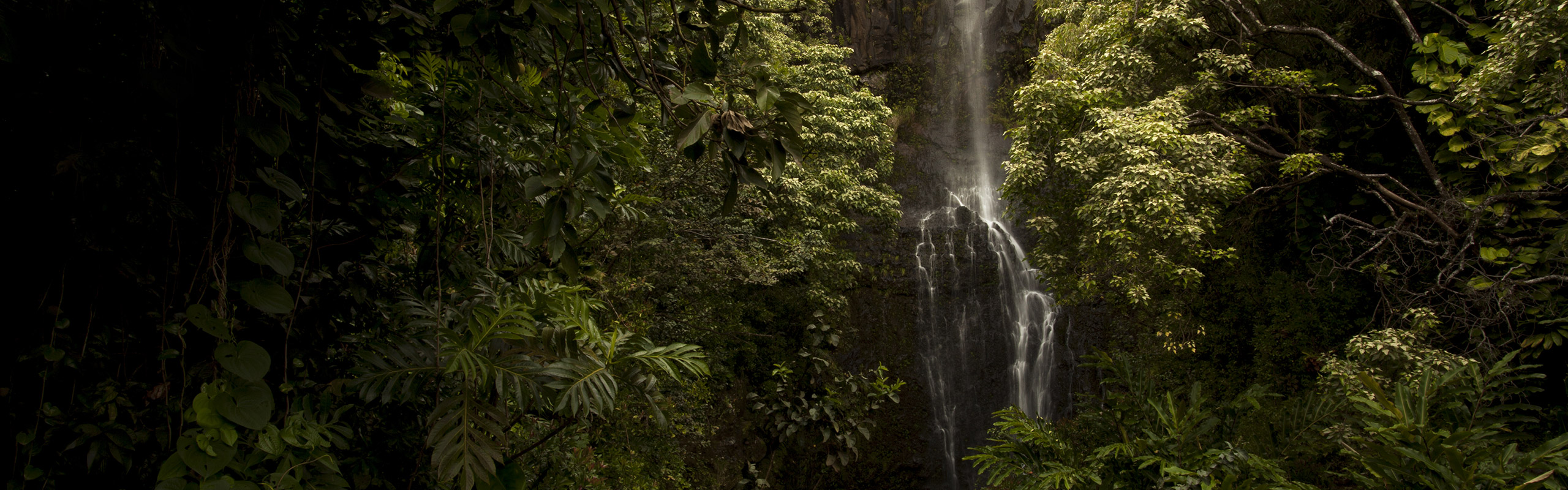
Where Hope Walks Softly
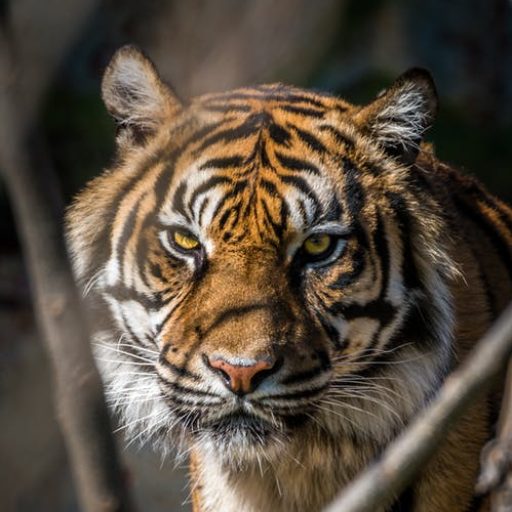
Sumatra, Indonesia.

For now, hope still walks softly through the jungle. Whether it endures depends on what we choose to protect.

Powerful yet rarely seen, the tiger is a creature of silence and patience.

Confirming new life in the wild is never easy. Tigresses are intensely protective mothers, keeping their cubs hidden for many months. The forest itself becomes their shelter, concealing the smallest paws beneath thick undergrowth. Often, young cubs remain unseen, their existence known only through subtle signs, a distant call, a fleeting shadow, a brief image captured in the quiet of night.
The absence of sightings does not mean the absence of life. In the forest, much happens beyond human view.
Encouragingly, observations from remote jungle regions suggest that in some areas where forests remain intact, tiger numbers appear stable. When natural habitats are undisturbed and prey is plentiful, the forest continues its ancient rhythms.

New life has also been welcomed in carefully managed wildlife environments, where planned breeding programs help safeguard genetic diversity. Recently, two tiger cubs were born under human care, small, striped bundles of strength and instinct. Their arrival brought quiet celebration and renewed hope.
Their father had once been injured and later recovered under supervision. Their mother was born within the same protected environment. Together, they represent continuity, a reminder that with care and patience, life endures.
Across Asia, the tiger has long symbolised courage, strength, and protection. For centuries, it has appeared in art, folklore, and storytelling, not only as a predator, but as a guardian spirit of the forest. Its presence has always stirred human imagination.
Yet beyond symbolism, the tiger is simply what it has always been: a solitary hunter, moving through dense vegetation, perfectly adapted to its surroundings. It needs space, food, water, and quiet territory in which to roam.
When forests remain whole, balance is possible.
Each cub born, whether hidden deep in the wild or nurtured in managed care, represents renewal. Survival is not dramatic. It is gradual. It unfolds quietly beneath the canopy, one generation at a time.
The future of the tiger rests not in grand gestures, but in steady protection of natural landscapes. Where forests stand, life continues.
In the humid stillness of the jungle, where filtered light falls across leaf litter and unseen creatures move through shadow, hope still walks softly.
Whether it continues to do so depends on the space we allow the wild to remain wild.
Written with respect for the forest and the lives it shelters.
 janiceekat57