
Liquid Gold Beneath The Sialang Trees
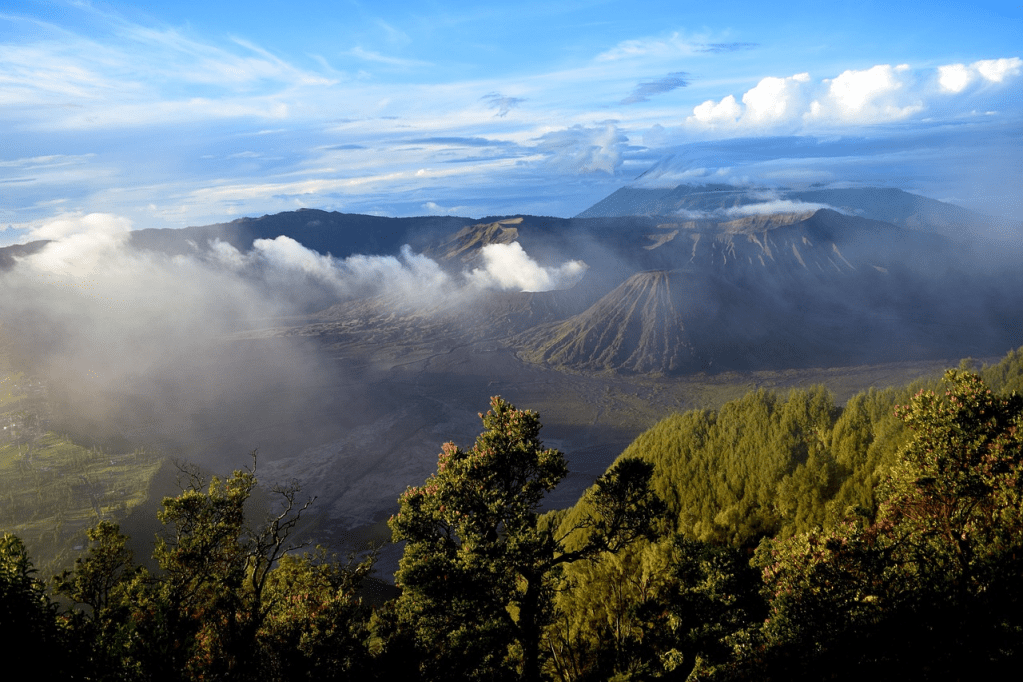
Photo by huynhkhoa
Somewhere in the deep Indonesian jungle hangs a treasure, not buried in the earth, but suspended in the high green silence of the canopy.
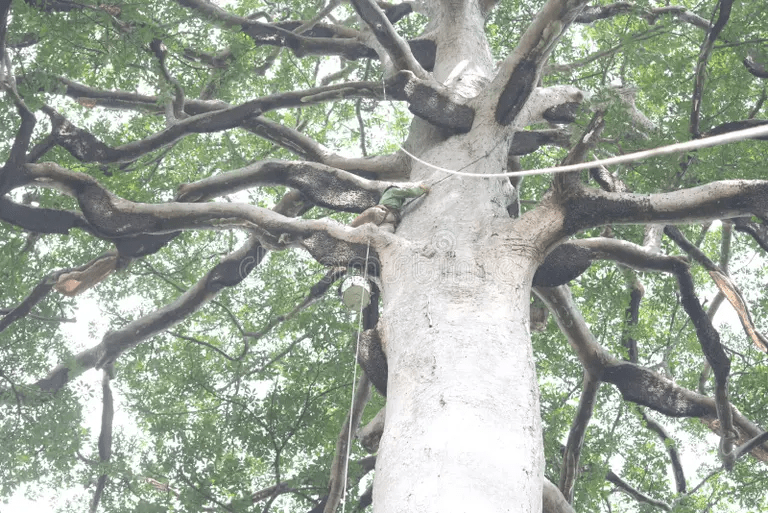
From towering trees known locally as Sialang, the giant honeybee, Apis dorsata, builds vast crescent shaped hives that cling to the highest branches like burnished shields. At certain times of year, when the forest blooms and the honey thickens in the heat, men gather at the base of these trees and prepare to climb.
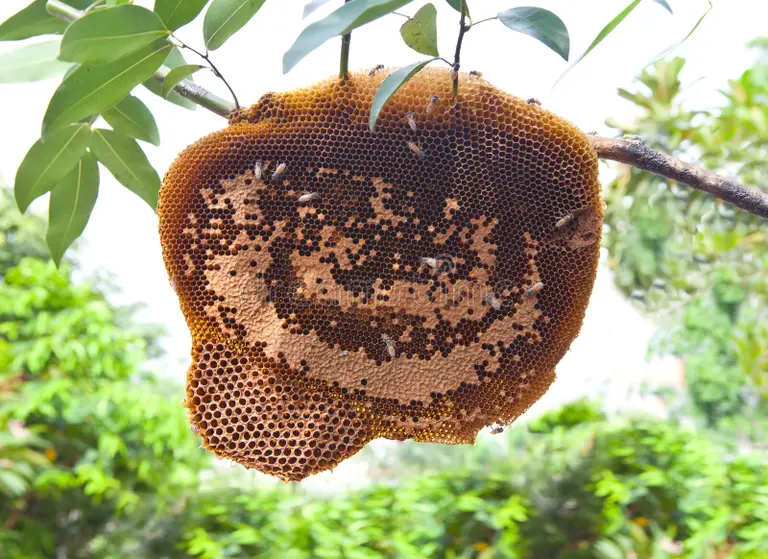
I lived in Indonesia long enough to taste this honey often. We would order three litres at a time. It arrived dark, almost black, dense and opaque, never overly sweet. It tasted of rain soaked bark and hidden wildflowers. It was raw and unfiltered, sometimes clouded with pollen and flecks of wax. Over time it crystallised naturally, turning from liquid amber to something creamy and grainy, still carrying the scent of the jungle.
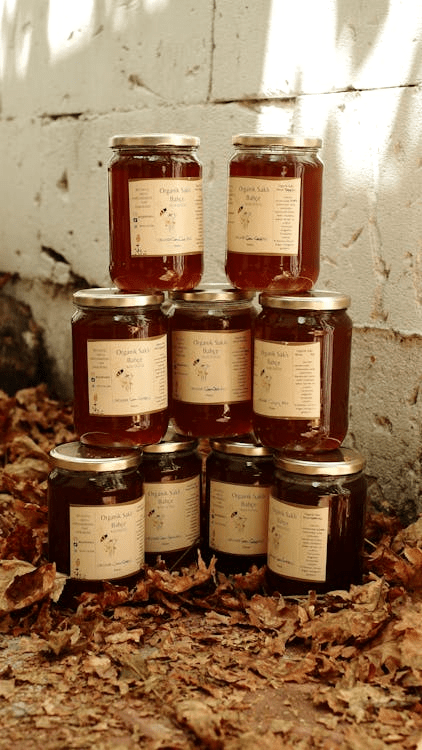
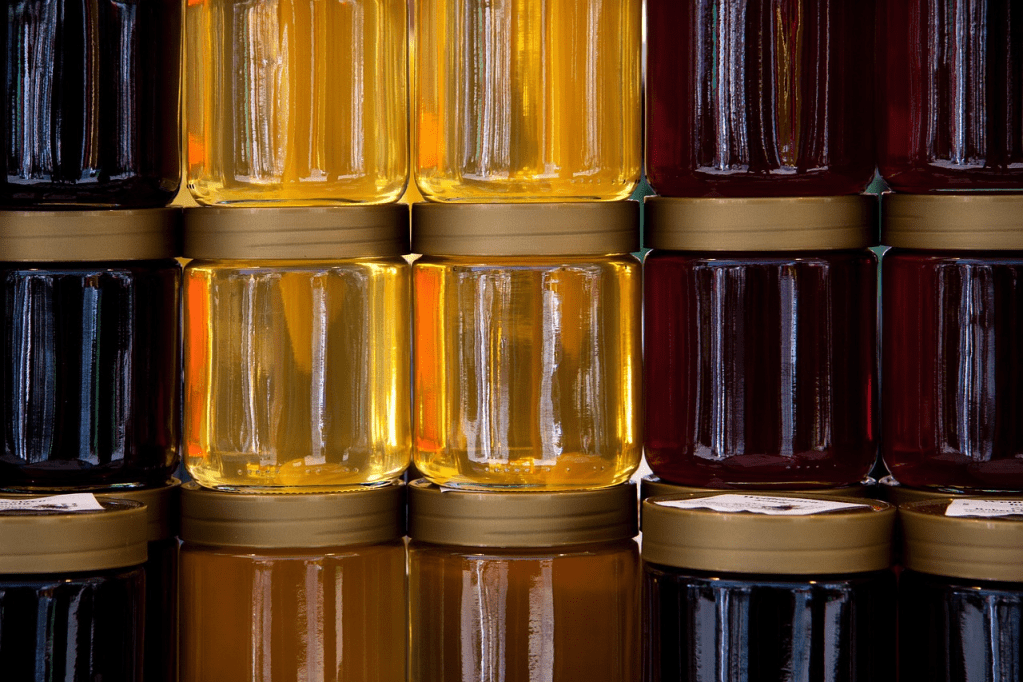
Photo by Stefan Schweihofer
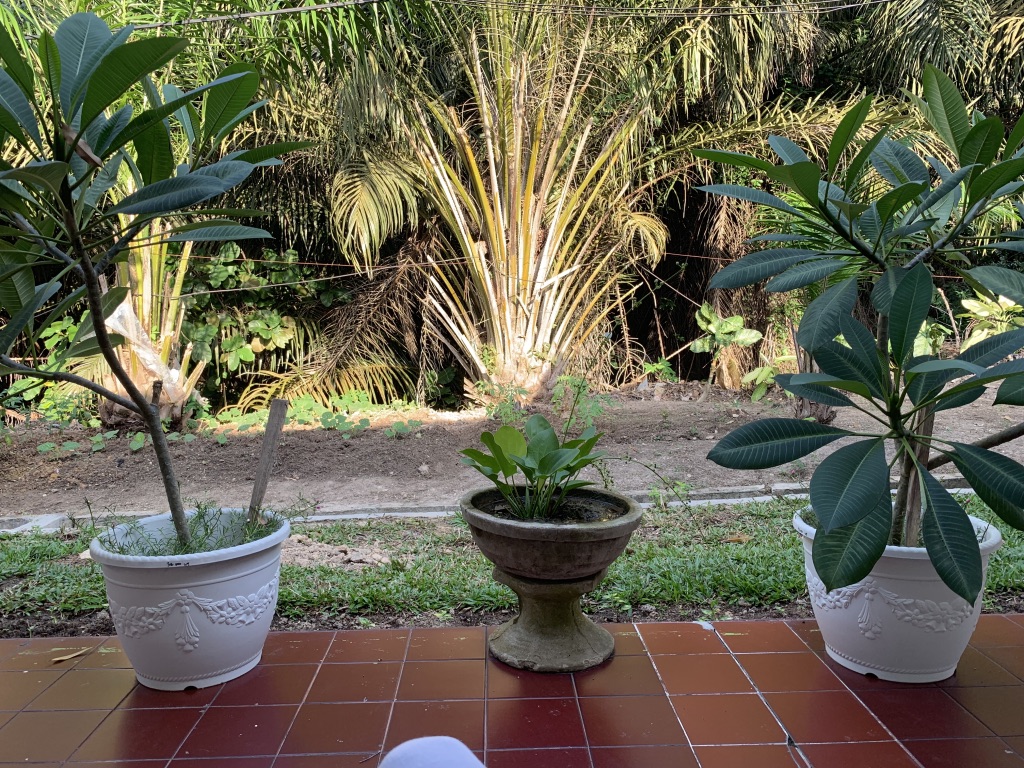
The jungle from verandah
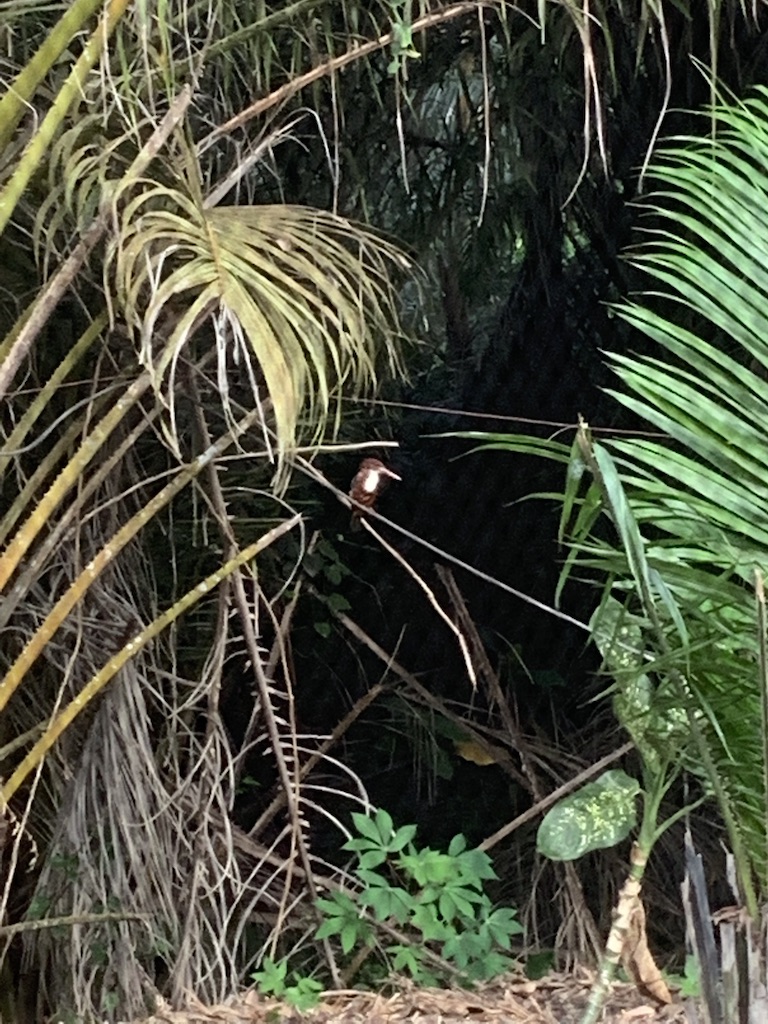
Kingfisher seen from verandah
In places harvesting follows ancient rhythms. The traditional method, known as Menumbai, takes place during the dry season when flowering is abundant and the hives are heavy with nectar.
But the sweetness comes at a cost.
At dusk, or under a moon thinned by cloud, a small fire is lit at the base of the tree. Smoke coils upward, softening the air and easing the fury of wings. Then the climber begins, barefoot, gripping bark worn smooth by generations before him, ascending into a darkness alive with sound. Hand woven rope ladders sway against the trunk. Long bamboo poles reach into the canopy.
The bees sting. The female workers defend their colony fiercely, sacrificing their lives if their barbed stingers embed in skin. Yet the men climb steadily. For many families, wild honey is not a luxury; it is a primary source of seasonal income. In some regions it accounts for more than half a household’s cash earnings.
Still, they do not take everything.
Part of the hive is always left intact so the colony can rebuild. The tree itself is protected under customary law. No one cuts down a Sialang. In some communities, disputes must be settled before entering the forest. Rituals are performed. The bees are spoken of as little forest princesses. Harvesting is not extraction, it is relationship.
Across Indonesia, from Sumatra to Kalimantan and east toward West Timor, wild honey depends entirely on healthy forest ecosystems. In the mountainous forests annual harvests are still guided by inherited knowledge passed from elder to youth, rope by rope, knot by knot. In parts of Borneo, structures known as tiking or man made wooden trunks, encourage wild bees to nest without domesticating them, working with instinct rather than against it.
Even beyond bees, the forest guards its sweetness. In arid regions, honeypot ants sometimes called living pantries, store nectar within their swollen bodies to sustain their colonies through scarcity. Harvested carefully by Indigenous communities, they offer another reminder that in these landscapes, survival and sweetness are intertwined.
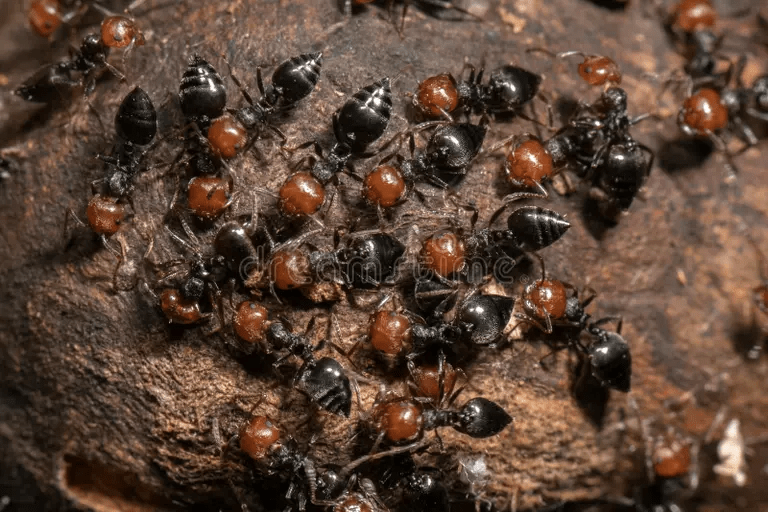
Replete honepot ants with nectar filled abdomens, living storage units for their colony.
This honey is not gathered in hives, but held in their bodies, a different kind of honey, born of adaptation and survival.
Wild honey is often called liquid gold, valued for its rich flavour and reputed medicinal qualities, antimicrobial, anti-inflammatory, and restorative. It is exported across Indonesia and beyond. Yet its truest worth may be quieter.
As long as the bees require tall trees, the standing jungle holds more value. A living tree dripping with honey is worth more.
I never tasted the pale spring honeys of Indonesia, only the dark forest harvests. Thick, smoky, complex. To this day, it remains one of the finest honeys I have ever eaten.
And when I think of it now, I do not first taste sweetness.
I see a man climbing into the night, guided by ancestral memory, trusting the forest to give, and disciplined enough to leave part of it’s gift behind.
For the forests that still stand, and the hands that climb with care.
 janiceekat57
 JungleLife by Kat