
Women Farmers of Indonesia: Sustaining Land, Family and Forest
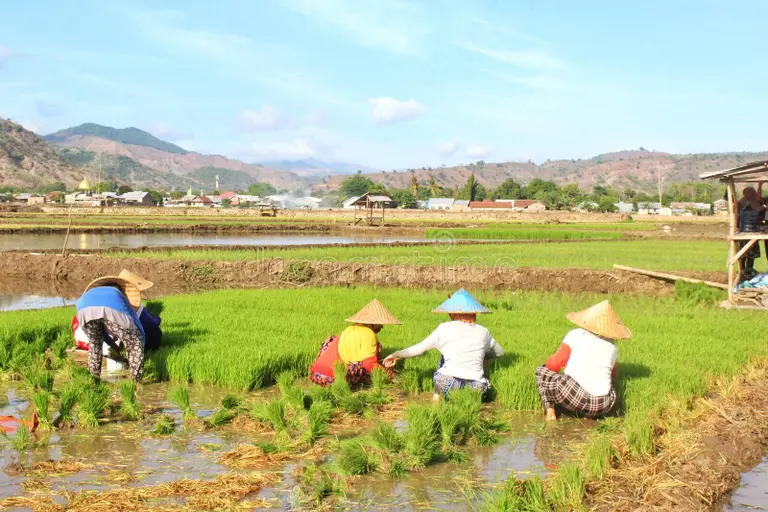
At first light, before the heat settled heavily over the fields, I watched women step quietly between rows of corn. Their hands moved with a familiarity that spoke of generations, checking husks, lifting woven baskets, brushing soil from tender shoots. In many parts of Indonesia, it is women who carry a significant share of the labour that brings food from earth to table.
Corn ripened under careful watch. Nearby, vegetables and fruits flourished, fiery red chillies, leafy kale, crisp lettuce, fragrant parsley and celery. In season, durian hung heavy in the trees, and snake fruit rested beneath its russet, scaled skin. Much of this produce supported household income, travelling from small family plots to local markets where I would later see the same women weighing, bargaining, and smiling across wooden stalls.
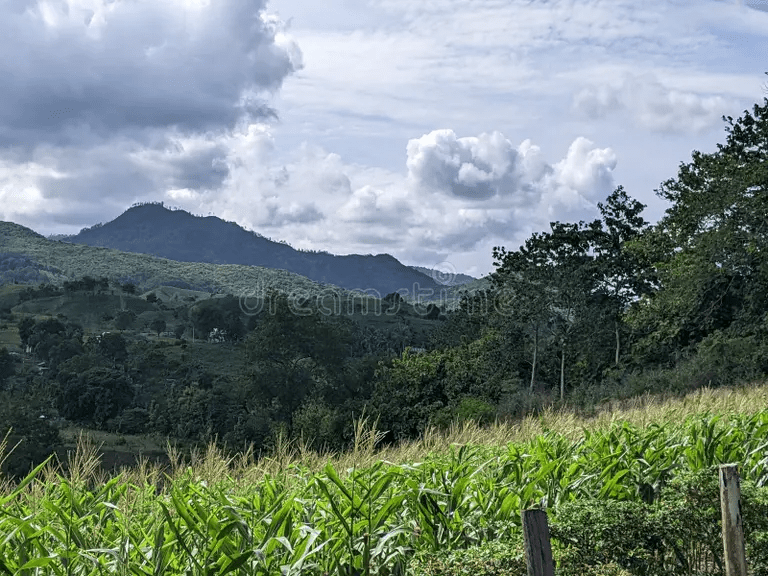
CORN FIELDS
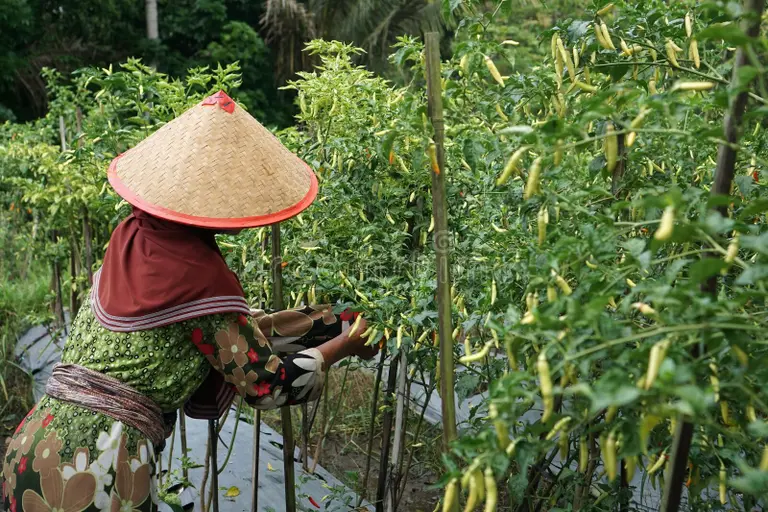
HARVESTING CHILLIES
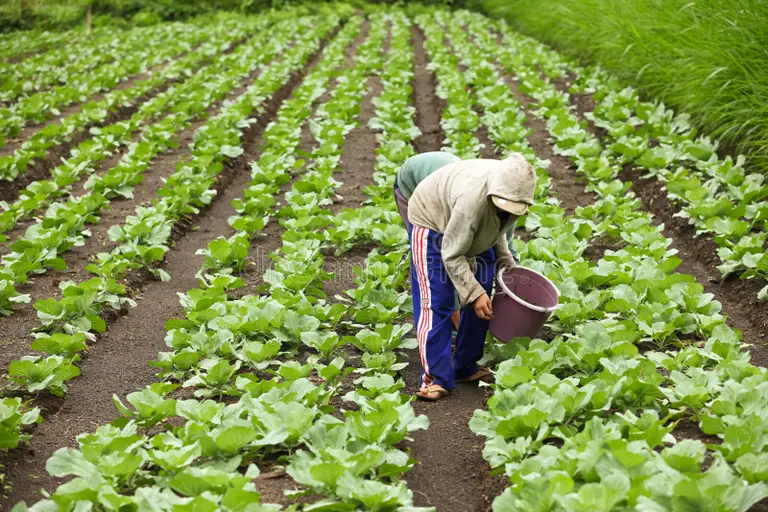
HARVESTING LETTUCE
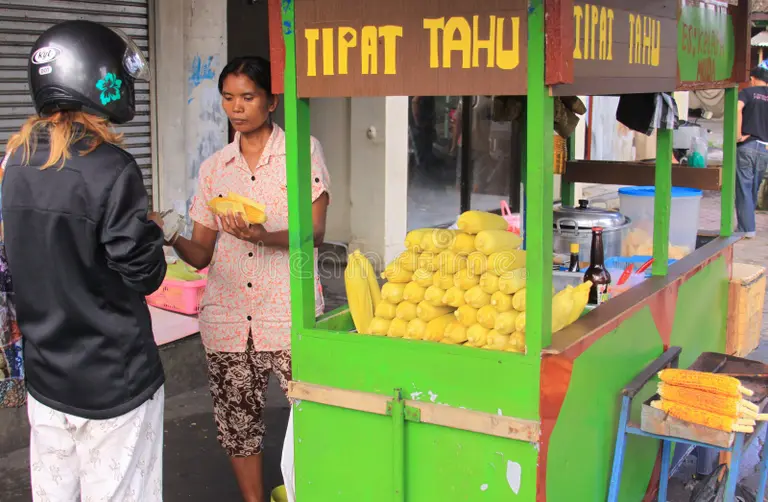
SELLING CORN, SOME ROASTED ON SMALL FIRE
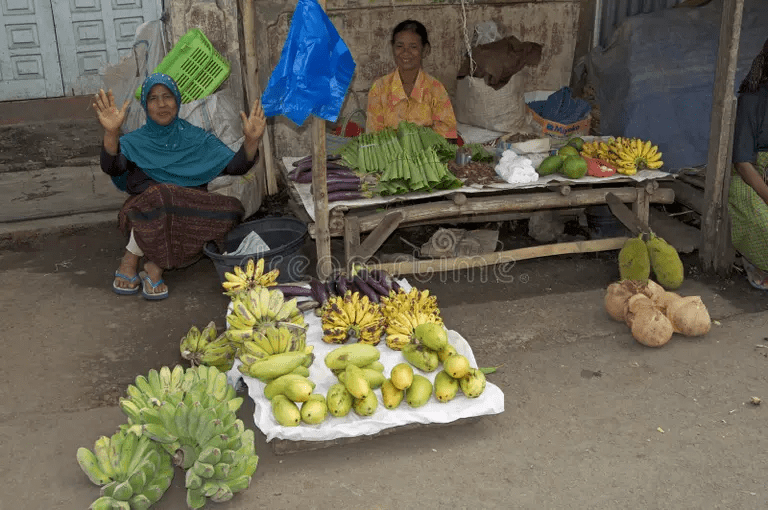
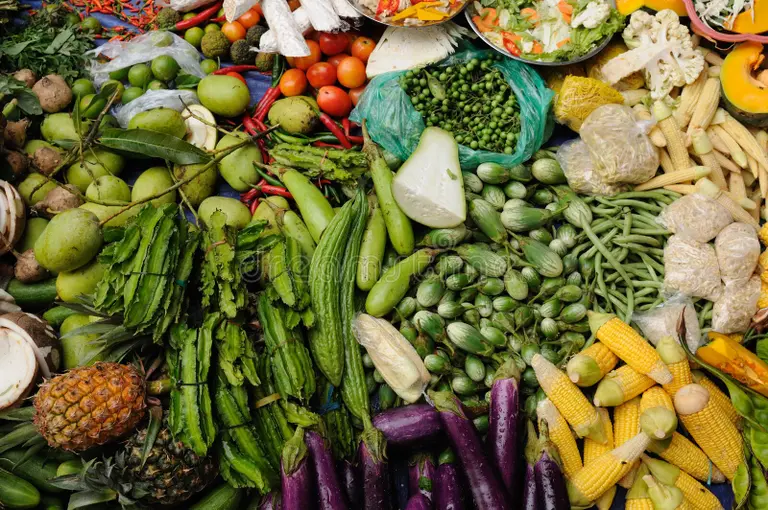
AN ABUNDANCE OF FRESHLY PICKED VEGETABLES AND FRUIT
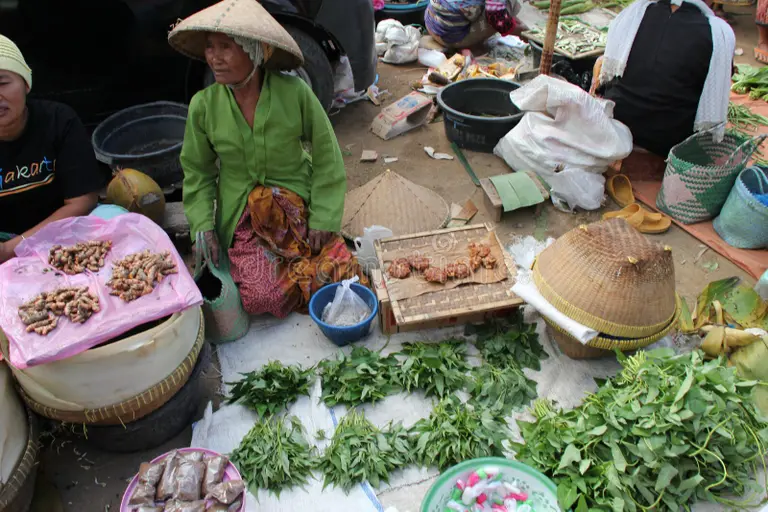
TRADITIONAL MARKET IN LOMBOK
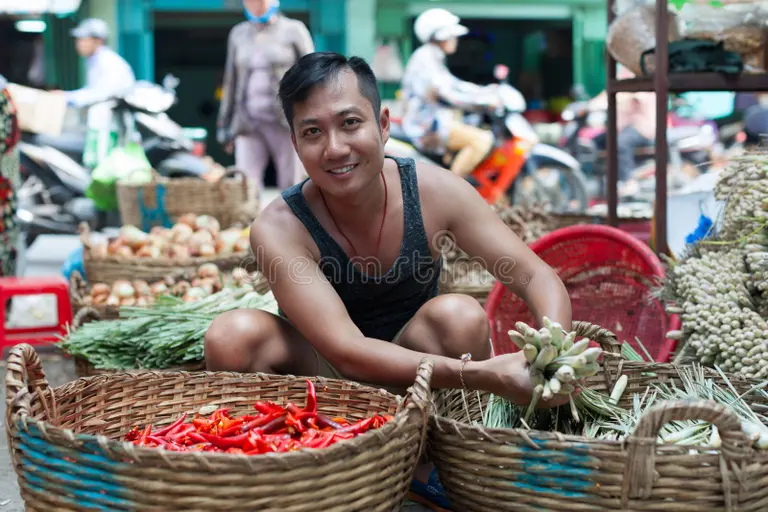
FIERY RED CHILLIES
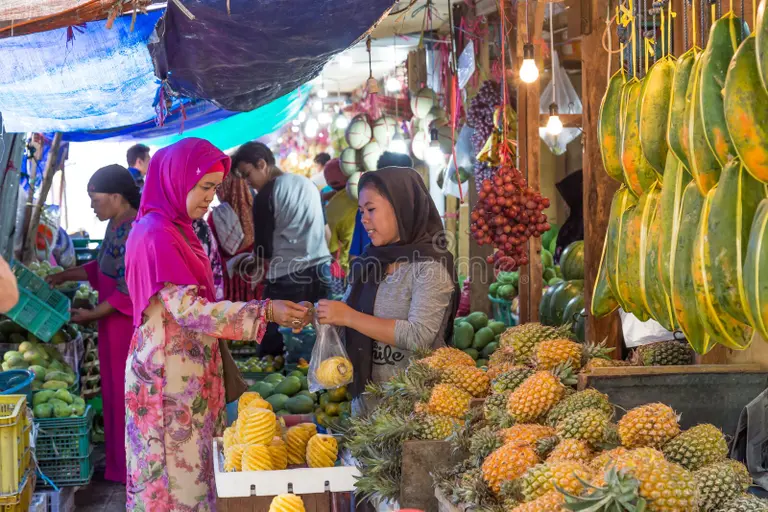
VEGETABLE MARKET SURABAYA INDONESIA
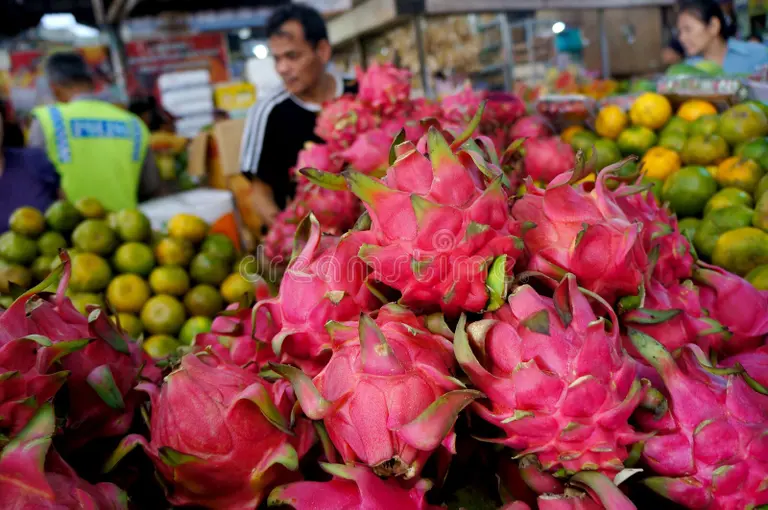
DRAGON FRUIT
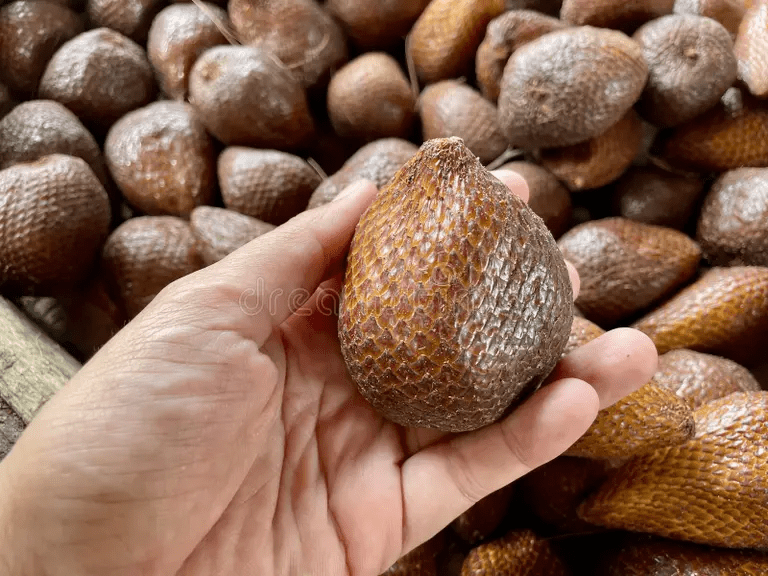
SALAK ALSO KNOWN AS SNAKE FRUIT
Along the coasts, I saw another rhythm entirely. At low tide, women waded into clear shallows to tend delicate lines of seaweed strung between wooden stakes. Seedlings were tied carefully by hand. Later, the harvest was gathered and spread out beneath the sun, turning stretches of shoreline into quiet mosaics of green and gold. Seaweed farming had become an important livelihood, particularly in times when rural incomes felt uncertain.

SEAWEED HARVEST INDONESIA
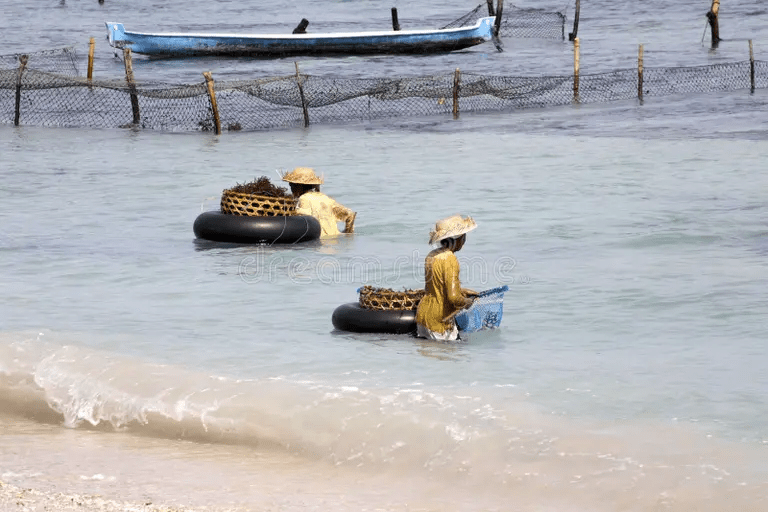
WOMEN GATHER SEAWEED AT NUSA PENIDA INDONESIA
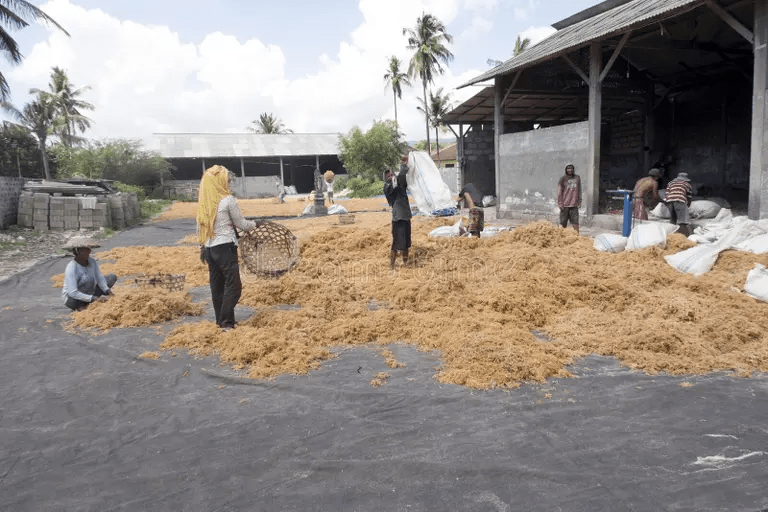
WOMEN DRYING SEAWEED AT NUSA PENIDA INDONESIA
Inland, diversified agriculture was also taking root. Some women were training in agroforestry, cultivating cocoa beneath taller shade trees or producing palm sugar from carefully tapped trunks. Others drew upon long-held knowledge of leaves, roots, and bark to create organic remedies. Their contribution reached beyond physical labour. I was often told how women participated in decisions about planting cycles, crop sales, and household spending, shaping both harvest and home.
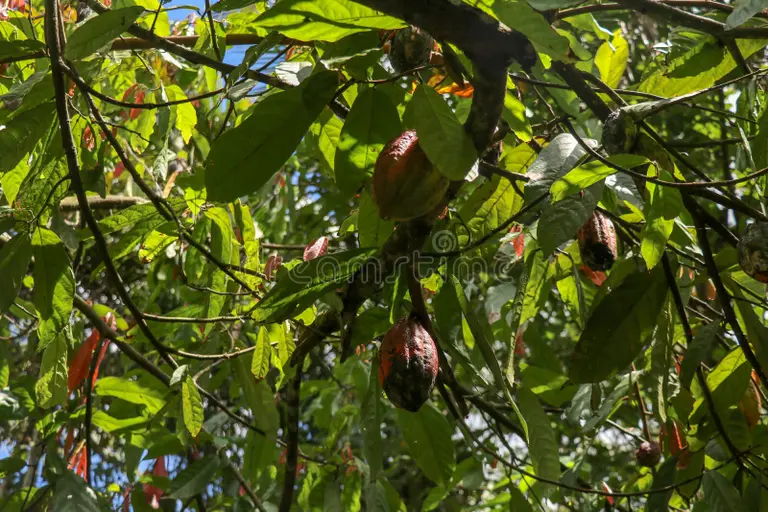
COCOA FRUIT
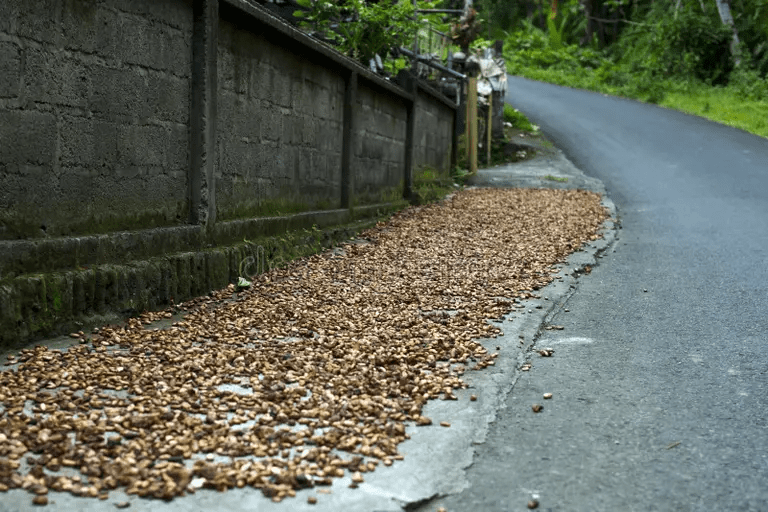
COCOA BEANS DRYING ON ROADSIDE
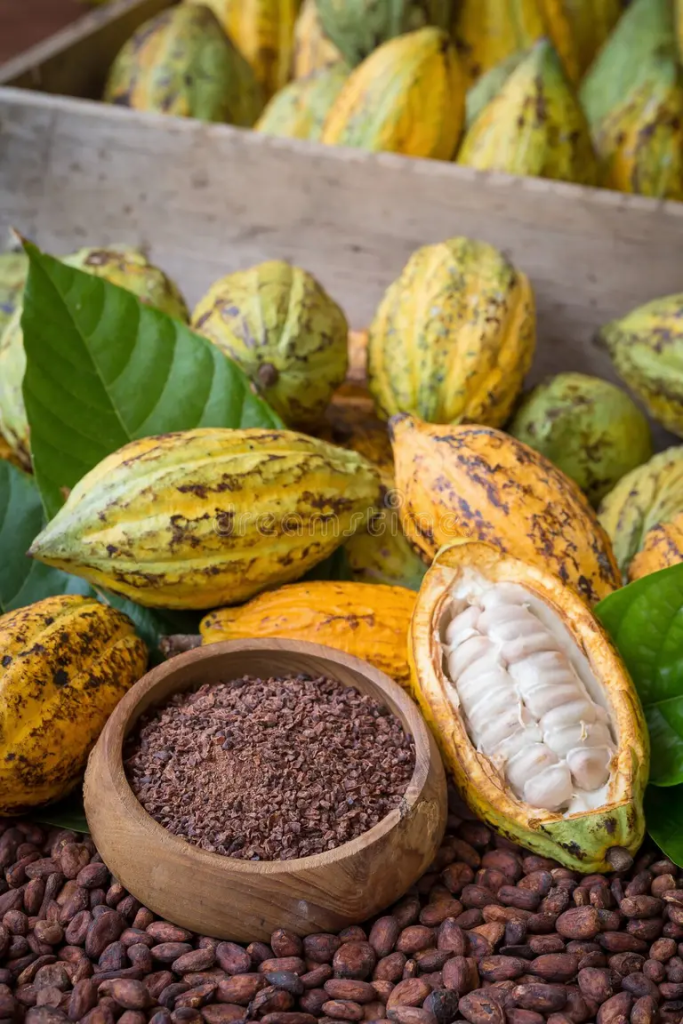
COCOA PODS, BEANS AND NIBS
Their days, however, were long. As primary caregivers and managers of household subsistence, women carried added responsibility when challenges arose. If water had to be brought in, they organised and carried it. If illness touched the family, they adapted and tended quietly. Their work stretched across field, shoreline, kitchen, and cradle.
What remained with me most was not hardship, but steadiness. A quiet dignity. A sense that soil, water, and tree canopy were not separate from their own wellbeing. These women worked with deep respect for the forest and the lives it shelters.
In the quiet industry of their days, they sustained more than crops. They sustained continuity of land, of knowledge, of family.
Editor’s note:
During my travels through Indonesia, I was continually struck by the steady presence of women in fields, markets, and coastal farms. This story is a reflection of those observations, written with deep respect for the forest and the lives it shelters.
Kat.
 janiceekat57
 JungleLife by Kat