
LOMBOK, ISLAND OF UNIQUE TRADITIONS

Sengigi Beach Lombok

The moment we stepped out of Bali airport, we were surrounded by the liveliness of the crowds and the sweet aroma of frangipani and jasmine filling the air. I was looking forward to my next flight to Lombok, a quieter, more tranquil destination than Bali.
Lombok Airport felt quiet, calm, and peaceful. Even the roads weren’t busy, allowing my husband and I a leisurely drive to our lovely villa on the beach of Senggigi.
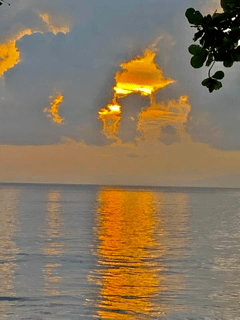
Senggigi Beach is known for its stunning sunsets, white sandy beaches, and crystal-clear waters that offer excellent opportunities for snorkelling, diving, and good surfing. The beach also has a vibrant nightlife scene, with bars and restaurants offering delicious local food and live music performances. Senggigi Beach is a gateway to various tourist attractions, such as the Gili Islands and Mount Rinjani.


Mount Rinjani

Ariel view of the Gili Islands
My husband and I hired a motorbike and explored the coastline of Lombok. It’s a quiet, calm rural island, with cows and goats grazing in small clearings near the roadside, scrawny chickens scratching in the rubbish, dogs scavenging for food or sleeping, and cats lolling about.

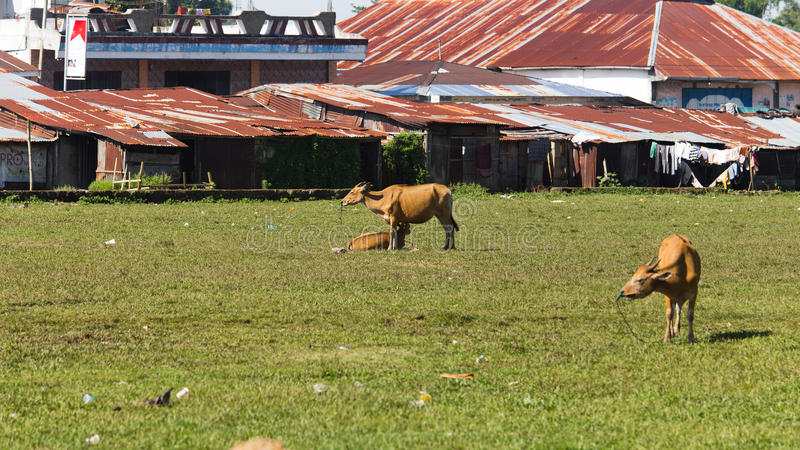
Lombok cows
The following day we took a trip with a local family to a traditional Sukarara Village where the women create traditional hand-woven textiles, known as “ikat”. Generations have produced these woven textiles using natural plant and vegetable dyes and traditional techniques. Sukarara Villages are encompassed by serene rice paddies and lush cotton fields, in addition to their rich textile legacy.
The Sasak people are the indigenous people of Lombok, known for their unique culture, language, and customs, predominantly Muslim, but their culture is heavily influenced by animism and Hinduism.
The rich cultural heritage reflects their traditional architecture, music, dance, and cuisine. The Sasak people also have a unique style of music and dance, with performances featuring traditional instruments and colourful costumes.
Their houses are built from bamboo and thatch, with an open structure that allows for natural ventilation. The floors are made from clay, then periodically polished with wet cow dung, and left to dry. The reason for this is to ward off mosquitoes.
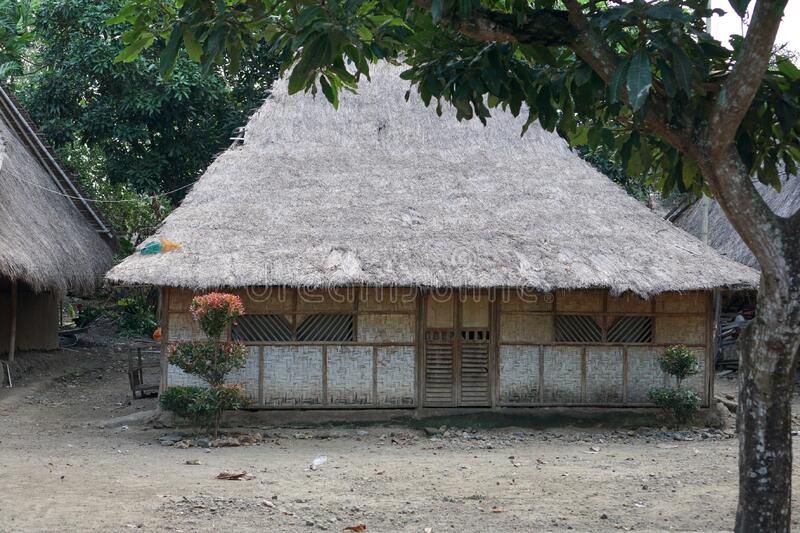
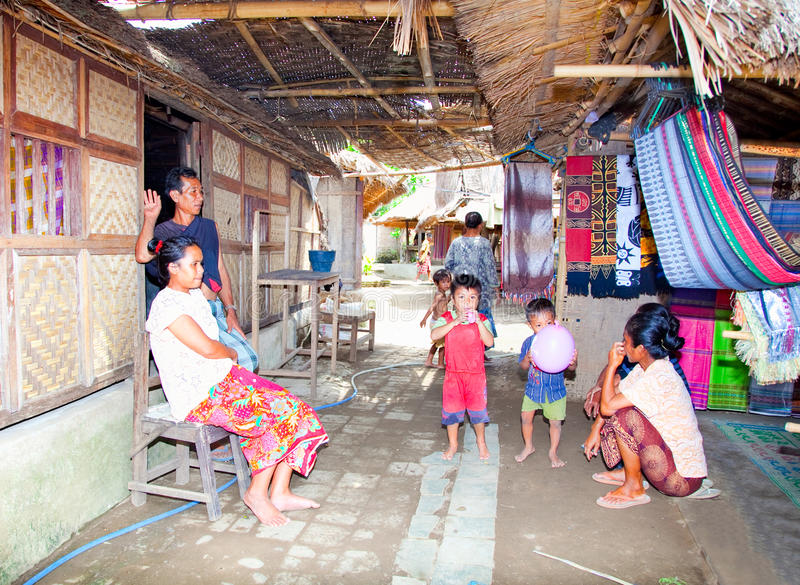
Traditional Sukarara Village
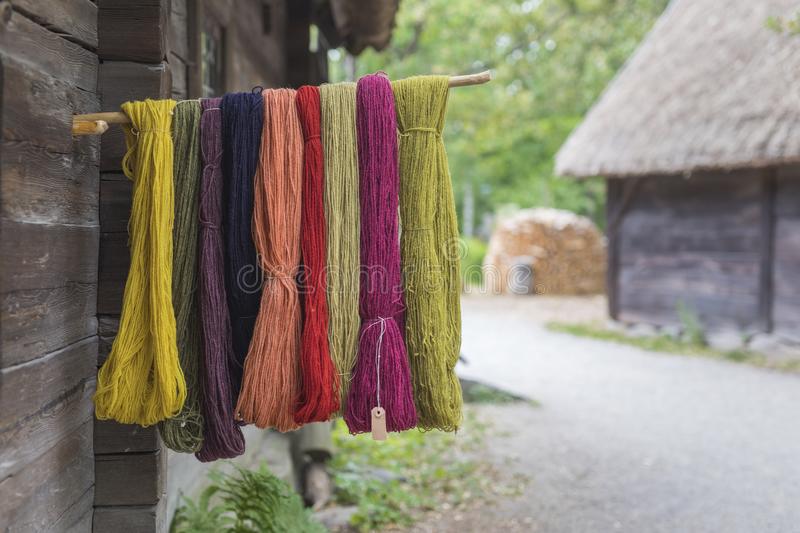


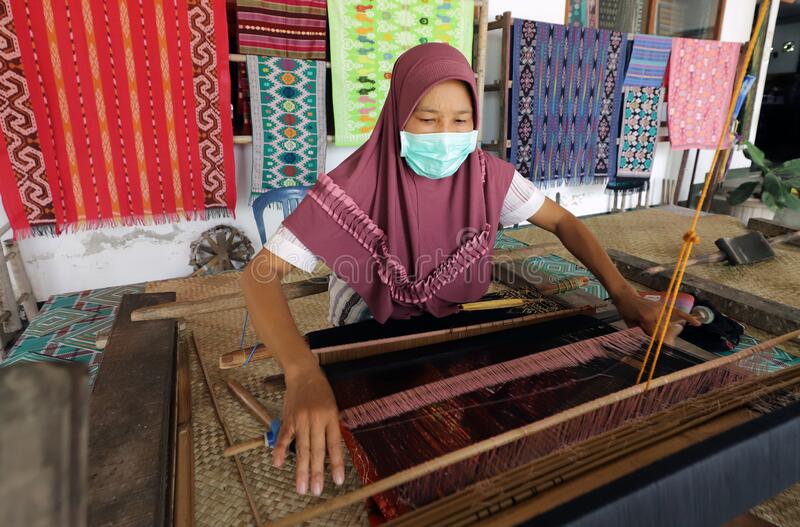
Sasak women weaving
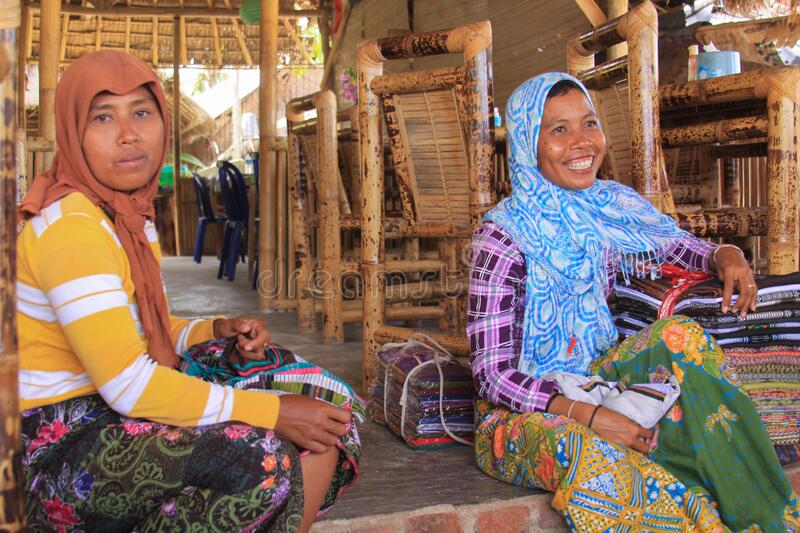
Sasak women

Sasak Tribal Women

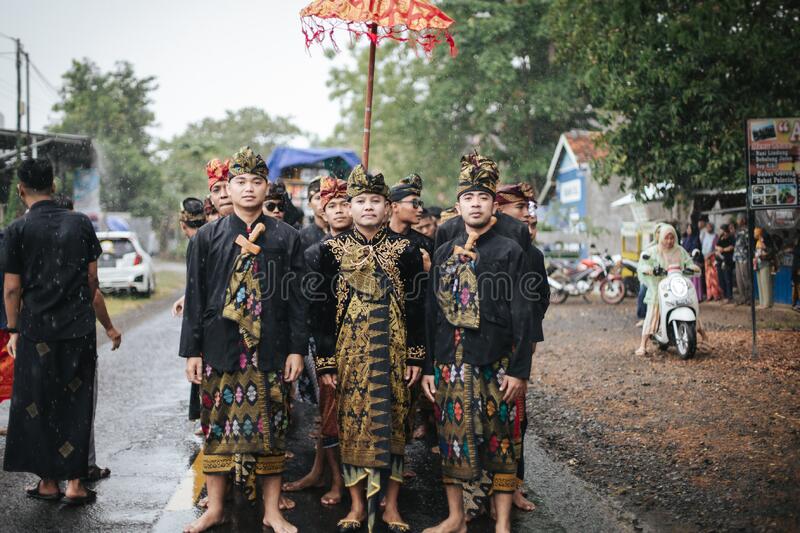
Sasak Men

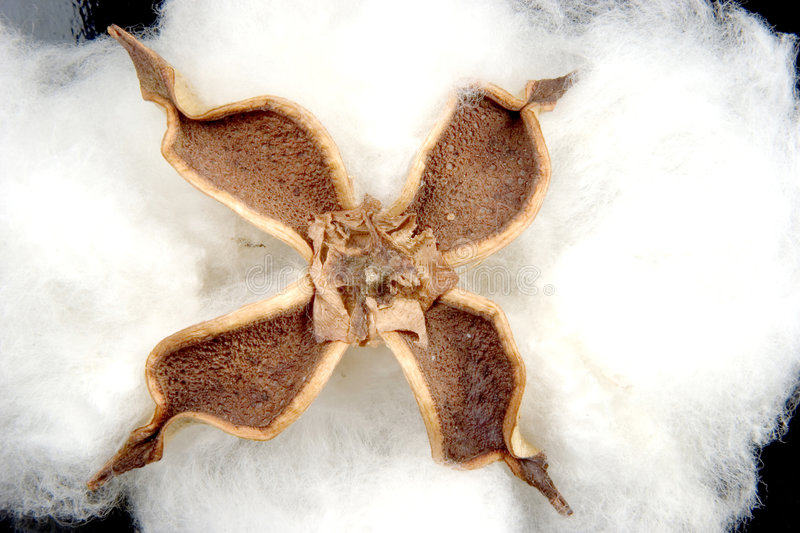
Rice paddies and cotton plant
One of the most iconic aspects of Sasak culture is their cuisine, which features spicy flavours and aromatic herbs. Some popular dishes include ayam taliwang (grilled chicken with spicy sauce and plecing kangkung (water spinach with spicy tomato sauce). We experienced this for lunch with our Indonesian friends.

Sasak culture has a long and rich history dating back a thousand years, believed to have migrated to Lombok from Java and other nearby islands around the 13th century. Over time, they developed their unique culture, language, and customs, influenced by the Hindu and Buddhist kingdoms that once existed in the region. The Sasak people also had contact with the Chinese, Arabs, and Europeans, further enriching their culture. Despite these influences, they preserved their unique identity and traditions over the centuries. Today, the Sasak culture is part of the cultural heritage of Lombok and is celebrated and preserved through festivals, music, dance, and other cultural events.
Another story told by our guide at the Sasak village was that the Sasak people intermarry with their cousins. The women remain in the Sasak village, never leaving. Their job is to do the weaving. Sometimes a Sasak man will meet a woman outside the village, he will kidnap her and bring her into the village. They will stand under “The Tree of Love” in the centre of the village to make their marriage official. These women from outside the village, once they enter, will adopt the traditions of the Sasak tribe, and never leave the village. This tradition is only adopted by the Sasak people who choose to still live in ancient traditional villages. A tradition that dates back at least four hundred years.
A young man from Lombok explained to me about seaworms, which are a delicacy of the Sasak people. Rich in protein, vitamins, and minerals, believed to have medicinal properties that can help boost the immune system and improve overall health. They are typically eaten raw or lightly cooked and served as a snack or appetizer.
The Sasak Tribe places great importance on the Bau Nyala ceremony, a time-honoured event that carries immense sacred significance. This ritual is deeply rooted in the folklore of the southern Central Lombok region.
While not everyone may find the idea of eating seaworms appealing, they are a significant part of Lombok’s culinary heritage and continue to be enjoyed by locals and adventurous visitors alike.
So the story of Mandalika was told to me by this young man from Lombok.
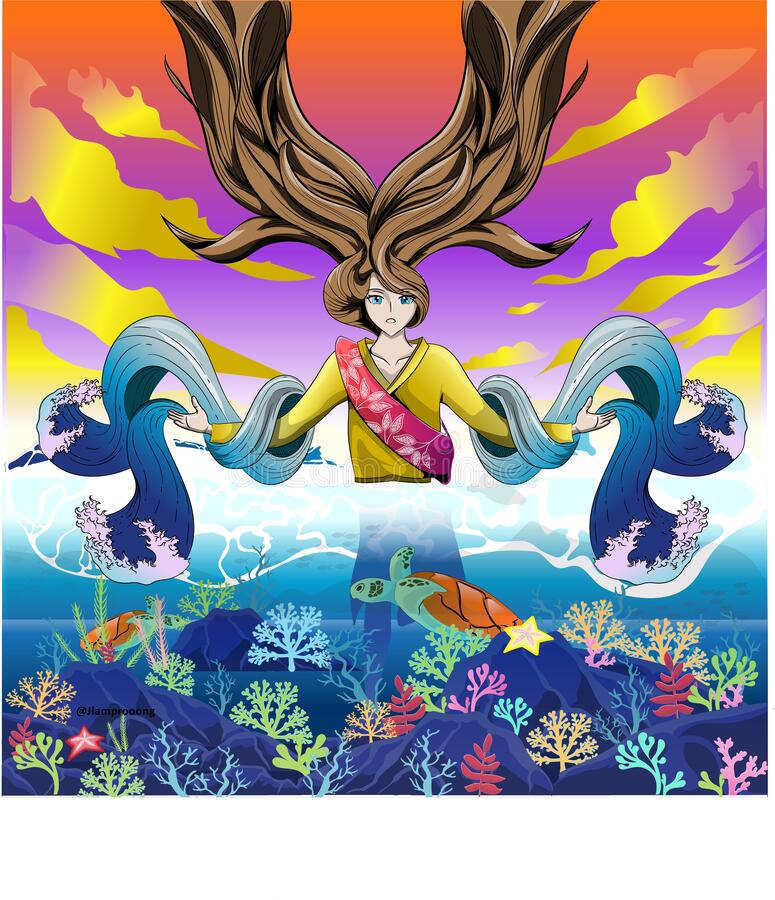

Statue of Princess Mandalika
“Putri Mandalika was a beautiful princess who transformed into a nyale worm and appeared once a year on the enchanting shores of Lombok,” he said.
It’s fascinating how the nyale worm, a legendary creature that is highly valued and venerated by the people of Lombok, is believed to represent the transformation of a gorgeous princess who was once fought for by several princes from different kingdoms within the regions.
“Putri Mandalika is the daughter of King Tonjang Beru and Dewi Seranting. This king was famous for his wisdom, people loved him very much because they lived a prosperous life. Princess Mandalika lived in a royal palace and was respected until adulthood,” he continued.
“Princess Mandalika grew into a beautiful, charming woman. Her beauty spread throughout Lombok, and Princes from various Kingdoms such as Johor Kingdom, Lipur Kingdom, Pane Kingdom, Kuripan Kingdom, Daha Kingdom, and Beru Kingdom, wanted to marry her,” he said.
“Knowing this made the Princess desperate because if she chose one prince, there would be wars and battles in the land of Sasak. Some Kingdoms even put up a senggeger, black magic used to attract women. This practice of using senggeger to attract women, including Princesses, often had unintended consequences. Instead of winning the Princess’s heart, it made her even more distraught.
After much thought, the Princess invited all princes and their people to meet at Kuta Beach Lombok on the 20th day of the 10th month, according to the calculation of the month of Sasak before dawn. The invitation was welcomed by all Princes and their subjects, and on that date, they flocked to the location of the invitation.
After a while, Princess Mandalika finally appeared, carried by the soldiers who guarded her. Then she stopped and stood on a rock on the shore. After saying her intention to receive all the princes and the people, the Princess finally jumped into the sea. All the people who were looking for her did not find her. Eventually, a clew of colourful worms appeared, revered by the locals as a manifestation of Princess Mandalika,” he said.
Mandalika proclaimed that she would offer herself to all the princes. “I can’t choose one among the princes. Destiny wills me to be something you can enjoy together, uniting you all in love and affection, in the month and date when I appear in another form of myself on the surface of this sea,” she said. These were Princess Mandalika’s last words before jumping into the sea. So, this tradition lives on.
The following day my husband and I took a ride into the hills. Crossing a small bridge, we came across a woman sitting on the side of the road under a tree, crushing rocks and hitting one against another, a difficult task for a woman. Her skin was rough, her hands calloused, a testament to years of hard labour working outside in the sun. Her face etched with deep lines and wrinkles. She appears strong and resilient despite the toll her work has taken on her body. Below the road was a dry riverbed filled with rocks. Some women collect these rocks and pile them on the side of the road, while another would sit and crush them into smaller stones. Despite how monotonous and tiresome it may feel, this woman continued to crush rocks every day without fail. These crushed rocks are sold and used for building houses or gravel for roads. The women use the money to purchase clothing, nourishing meals, and provide education for their children. It made us feel sad seeing this woman working so hard. Giving her a gift and seeing the big smile on her face made our day more meaningful.
On our last day, we took the ferry across to Bali, a trip of three hours. The boat was buzzing with the contagious energy of adventurous young travellers from far-reaching corners of the world, free and uncommitted to responsibilities. They had no fear of travelling alone in an unpredictable world.

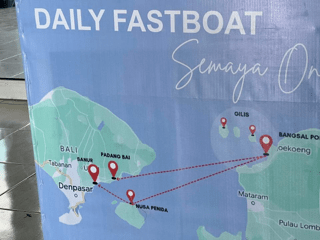
Arriving in Bali, we headed to our accommodation in Sanur. Walking along the seashore, we saw many Westerners who have made Bali their home. Dining at restaurants, walking their dogs, or jogging along the beach. They had chosen this island paradise lifestyle of health, meditation, and tranquillity without the stresses of the large cities of the Western world.
The following morning, with a touch of nostalgia, we departed from Bali, leaving behind the intoxicating scent of frangipani and jasmine, and the tranquillity of Lombok.
 janiceekat57
 JungleLife by Kat
I must add, Lombok is a lot quieter and more relaxing which I found. Bali has become very overcrowded, especially in holiday seasons. Wishing you all the best for 2026.
LikeLiked by 1 person
Thank you Miriam.
LikeLiked by 1 person
What a wonderful experience. I enjoyed reading all about it and your gorgeous photos. I visited Bali many years ago (and loved it) but have not been to Lombok. Thanks for taking me virtually.
LikeLiked by 1 person
Hi Peter, no I didn’t eat the sea slug, raw or otherwise :). I don’t think I will try it.
LikeLike
Thanks Kat! Enjoyed reading of your visit; sounds quite restorative! Did you try the sea slug, raw or otherwise?
LikeLike